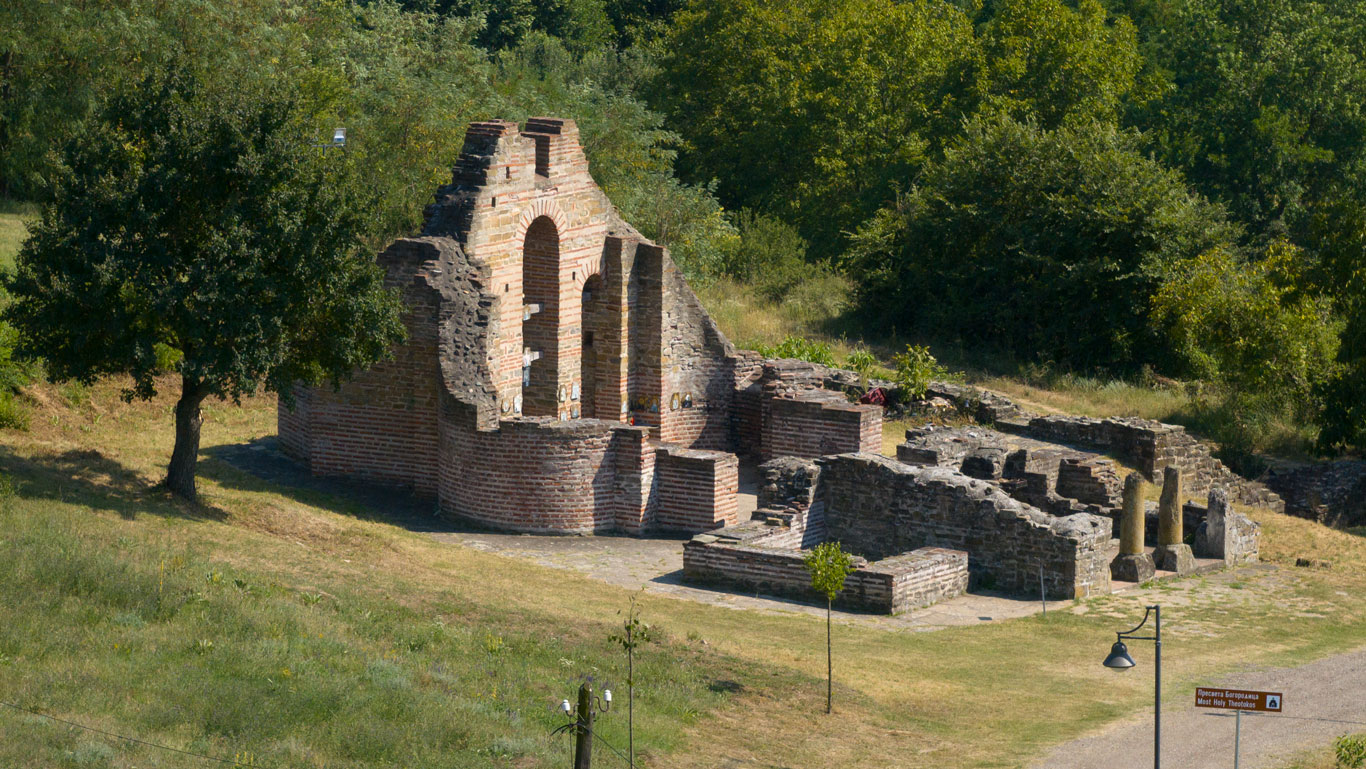
Monastery of the Holy Virgin
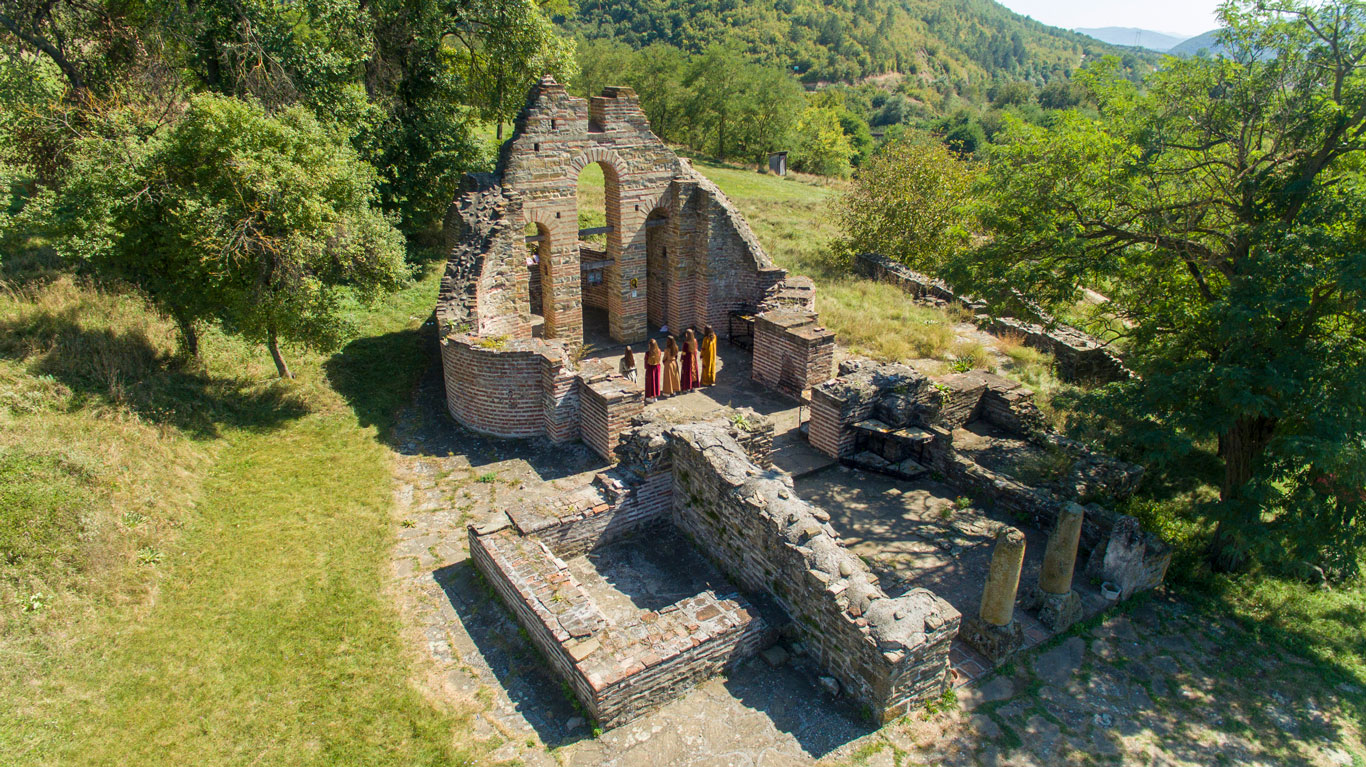
The Monastery of the Holy Virgin was built by Stefan Nemanja (1166–1196), in the immediate vicinity of present-day Kuršumlija, on a plateau above the confluence of the Kosanica and Toplica rivers. The church was erected on the foundations of an older early Byzantine triconch church dating back to the 6th century. It is believed that Stefan Nemanja built this endowment for his wife Ana, who became a nun in this monastery under the monastic name Anastasia. It is also assumed that during the mid-15th century the monastery was cared for by Mara Branković, daughter of Despot Đurađ Branković, who had her court nearby.
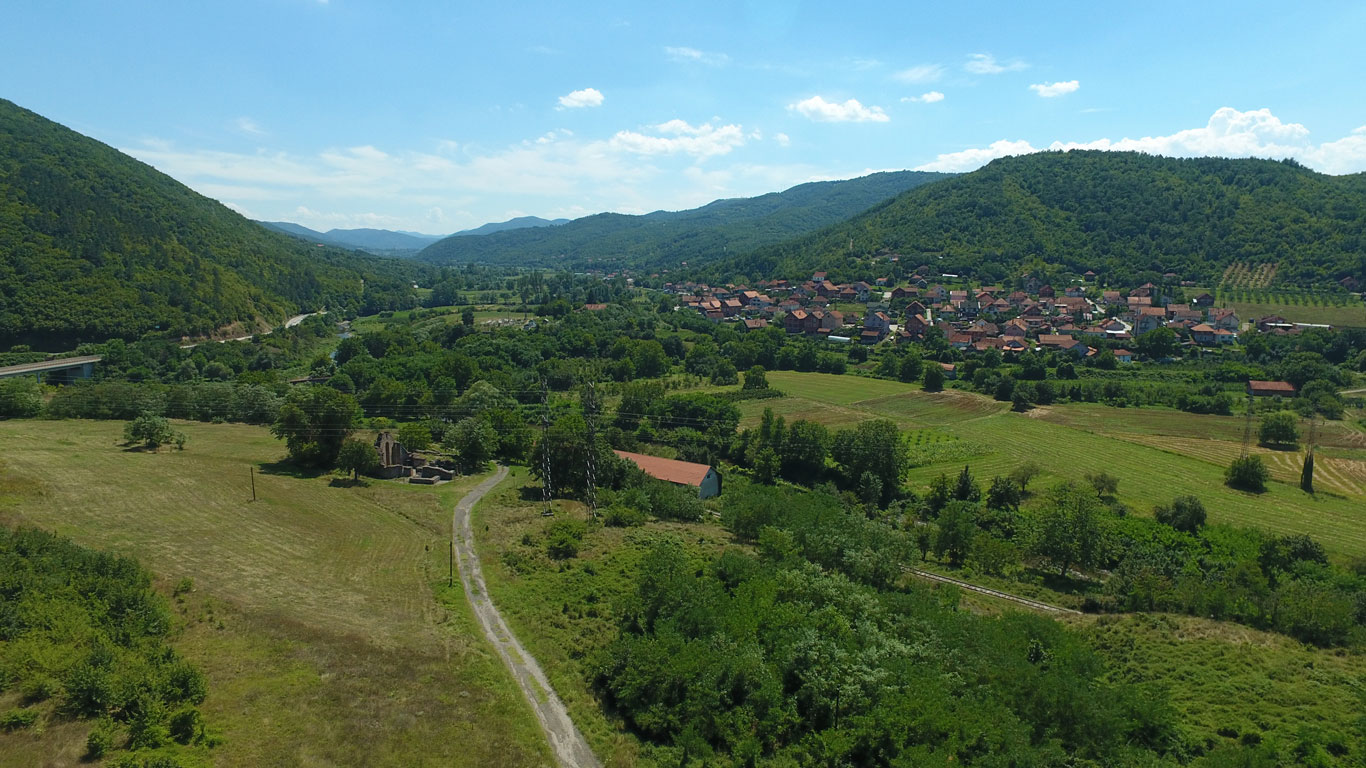
Archaeological excavations conducted at this site confirmed the existence of an ancient and medieval necropolis, as well as one structure belonging to the monastery complex. Like the nearby Monastery of Saint Nicholas, this church remained active until the Great Migration of the Serbs in 1690, after which a period of gradual decay began.
Today, the Church of the Holy Virgin is popularly known as the Church of Saint Petka – Petkovača. Every Good Friday, before Easter, people gather around this holy site to light candles and pray.
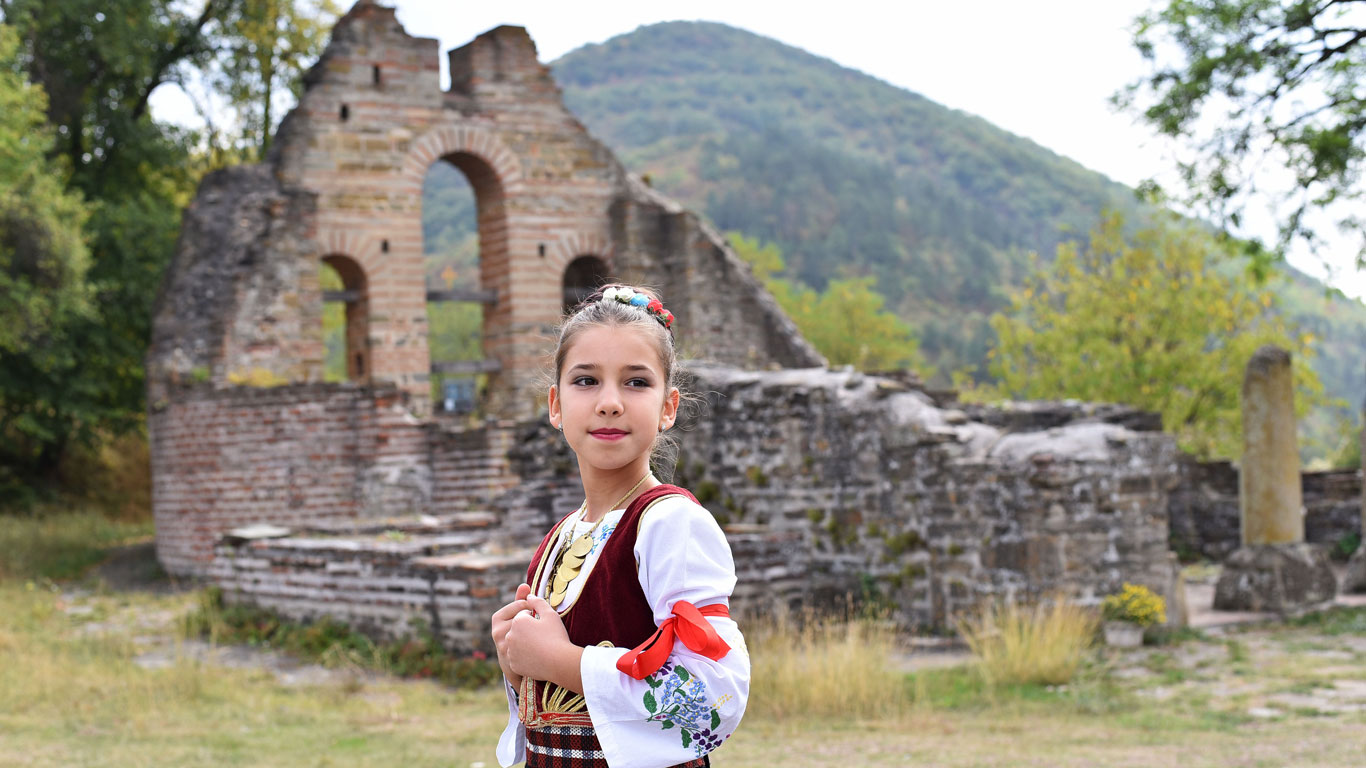
The Monastery of the Holy Virgin has been declared a cultural monument of exceptional importance. Architecturally, it represents a unique example of Serbian medieval endowments. Today, the church remains in ruins.